

Article
Car Service & Repairs in Morisset
As your local Mechanic in Morisset, Sutto's Automotive take great pride in offering our clients the very best in car servicing and automotive repairs.
Read moreYour vehicle's engine generates considerable heat while running. Keeping that temperature under control is essential for performance, reliability and preventing serious mechanical damage. The radiator and engine cooling system work together to regulate engine temperature, whether you're navigating Morisset's local roads or travelling longer distances around Lake Macquarie.
The cooling system circulates coolant through passages in the engine, absorbing excess heat before carrying it to the radiator. Air passing through the radiator helps release that heat, allowing the cooled fluid to circulate back through the engine.
Key components include the radiator, water pump, thermostat, cooling fans, hoses, pressure cap and coolant. Each plays an important role in maintaining the correct operating temperature.
Cooling system problems can develop gradually or appear suddenly. Look out for:
Ignoring these symptoms can lead to overheating, warped cylinder heads, damaged head gaskets and, in severe cases, major engine failure.
Coolant deteriorates over time and can lose its ability to protect against corrosion and deposits. Incorrect coolant, mixing incompatible products, neglected maintenance and internal or external leaks can also cause trouble. Thermostats can stick, water pumps can wear, radiators can become restricted and hoses may deteriorate with age.
If your vehicle shows signs of overheating, arrange an inspection promptly. A mechanic can check coolant condition and level, pressure-test the system where appropriate, inspect hoses and connections, and assess the thermostat, radiator, water pump and cooling fans.
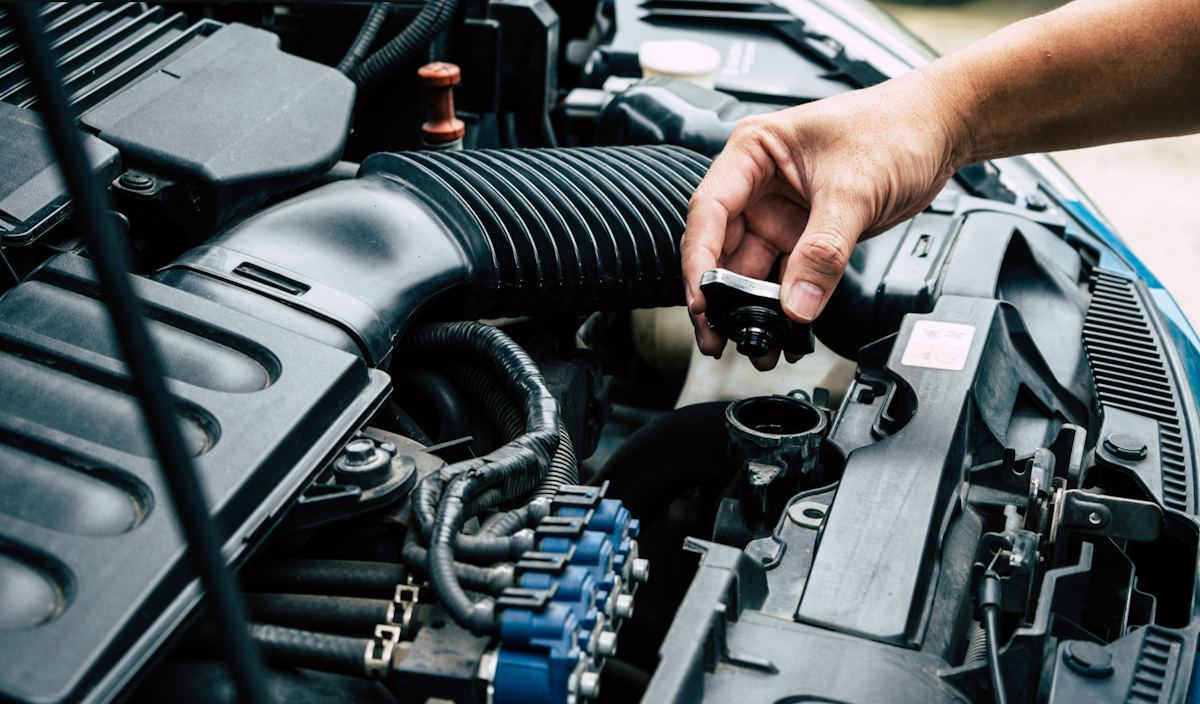
Important: If your temperature warning light comes on or the gauge enters the danger zone, pull over safely and switch off the engine as soon as it is safe to do so. Never remove a radiator cap while the system is hot or pressurised.
Regular servicing and coolant replacement at the manufacturer's recommended intervals help protect internal cooling system components. Have leaks, damaged hoses and unusual temperature changes investigated early.
Morisset's warm summers, humid conditions and stop-start traffic can place extra demands on your cooling system, particularly when travelling with passengers, towing or driving longer distances. A healthy system helps your engine cope with these conditions.
Interesting fact: Modern cooling systems are pressurised. This raises the boiling point of the coolant, allowing the engine to operate at higher temperatures without the fluid boiling as easily.
How often should engine coolant be replaced?
It depends on your vehicle and the type of coolant used. Check your owner's manual or service schedule, as different coolant formulations have different replacement intervals.
Can I use water instead of engine coolant?
Water may be suitable in an emergency to help you reach assistance, but it is not a long-term substitute. Correct coolant provides corrosion protection, lubrication for certain components and temperature management.
Why does my car overheat when I'm sitting in traffic but cool down when driving?
This can indicate a problem with the radiator cooling fan or its electrical controls. At low speeds, the fan helps draw air through the radiator when natural airflow is limited.
Can a faulty thermostat damage my engine?
Yes. A thermostat stuck closed can restrict coolant circulation and cause overheating. If stuck open, the engine may take too long to reach operating temperature, potentially affecting efficiency and emissions.
Is it normal to need to top up coolant regularly?
No. A small change in level can occur as the system cools and warms, but repeated top-ups may indicate a leak or another fault that should be investigated.
As an independently owned Repco Authorised Service centre, Sutto's Automotive can inspect and maintain your radiator and engine cooling system in Morisset. Book an appointment to help keep your engine running at the right temperature and avoid an unexpected roadside breakdown.
As your local Mechanic in Morisset, Sutto's Automotive take great pride in offering our clients the very best in car servicing and automotive repairs.
Read more
Keep your vehicle in peak condition with log book servicing and general maintenance from Sutto's Automotive. Comprehensive services for all your automotive needs.
Read more
Learn how Sutto's Automotive in Morisset safely cleans DPF and EGR systems to restore diesel engine performance and efficiency. Book online today!
Read more